.jpg?mode=max)
The charm of brandy comes from a long, gentle exchange between distillate and oak. Grape, region, and distillation method define its skeleton, while decades of stillness lend floral, nutty, leathery, and dried-fruit notes that give it a depth close to art.
First, understand its flavor architecture
When tasting, observe at room temperature without over-warming the glass. Swirl gently, let the liquid trace slow lines on the wall, then distinguish fresh fruit, dried flower, vanilla, toasted wood, and the complexity that age alone brings. On the palate, note whether the body is round, whether alcohol is wrapped by aroma, and whether the finish stays clear.
When these details are placed on the same table, tasting is no longer a snap judgement of pleasant or unpleasant — it becomes a long observation of time, craft, and personal taste. For the collector, the point is not to chase every rare label, but to build a set of standards that can be retold, verified, and still surprise years later.
Return the vintage to its land
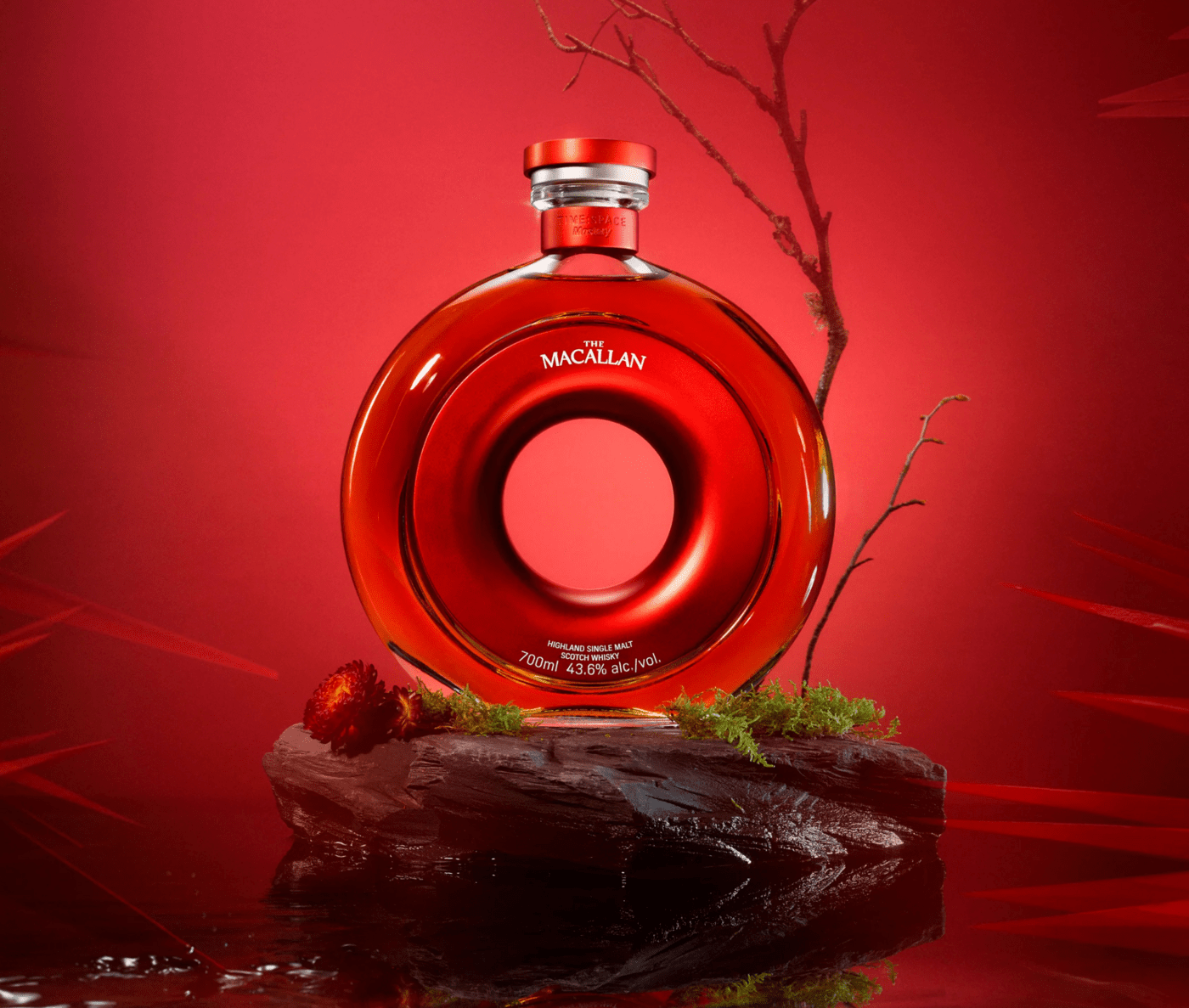
The collectible value of fine brandy usually ties to region, age, cask history, and bottling batch. Rare single casks, old vintages, and family-cellared reserves carry a style that no modern scale can reproduce. Packaging, seals, crystal decanters, and original presentation boxes are all part of the archive.
When these details are placed on the same table, tasting is no longer a snap judgement of pleasant or unpleasant — it becomes a long observation of time, craft, and personal taste. For the collector, the point is not to chase every rare label, but to build a set of standards that can be retold, verified, and still surprise years later.
Collectible value lives in a complete archive
Store bottles upright, so alcohol does not sit against cork or crystal stopper. Stable temperature, moderate humidity, and low light reduce evaporation and protect bottle and label from being aged before their time.
When these details are placed on the same table, tasting is no longer a snap judgement of pleasant or unpleasant — it becomes a long observation of time, craft, and personal taste. For the collector, the point is not to chase every rare label, but to build a set of standards that can be retold, verified, and still surprise years later.
Let time stay quiet in the cellar
True elegance is not intensity — it is power held in proportion. To collect an old brandy is to keep a letter from another era; its value exists before it is opened, and enters memory once it is.
When these details are placed on the same table, tasting is no longer a snap judgement of pleasant or unpleasant — it becomes a long observation of time, craft, and personal taste. For the collector, the point is not to chase every rare label, but to build a set of standards that can be retold, verified, and still surprise years later.